
Women and Girls - Diversity and Belonging
Netball has been unapologetically “hers” since its inception more than a hundred years ago; a mark of distinction unparalleled in any other sport. For the best part of a century, the netball family has worked alongside England Netball to create opportunities for women and girls to get on court and experience the thrill of the game for themselves. This has resulted in over 2.5 million women and girls flourishing in the game each year, and countless stories that collectively point to one thing: netball changes lives.
NETBALLHer is here to raise the bar for women and girls through the creation of expert resources, game changing learning offers and by being a strong and responsible voice for “her”. It is not a standalone project or initiative, it is the essence of our game.
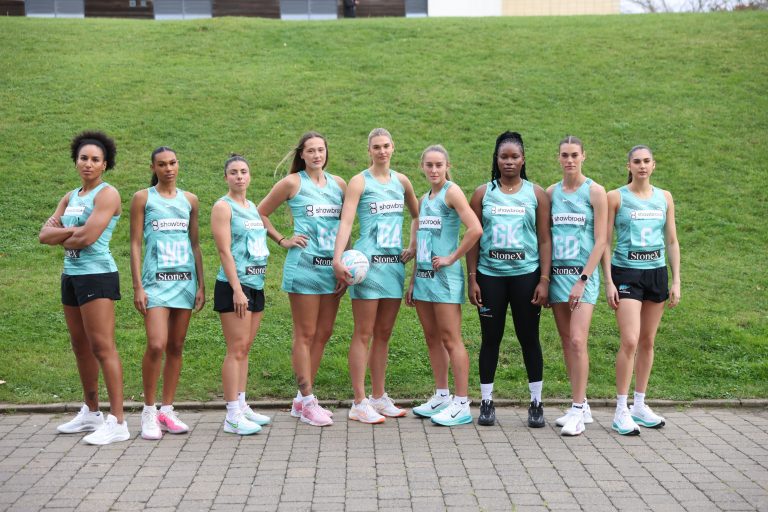
When you hear ‘netball kit’ you likely think of a dress, synonymous with our sport for so many years. In recent times and following significant research and advocacy, we now recognise that what is a symbol of our sport to some is a barrier to others. In fact, some 71% of teenage girls will stop exercising during their period (Women in Sport, 2024). We are therefore proud to offer inclusive kit policy and guidance, both of which are linked below.
Inclusive Kit Policy
England Netball is taking another positive step towards making netball a sport where everyone can belong, flourish and soar, by strengthening its inclusive kit guidance into policy. From the 2027–28 season, grassroots clubs will offer players a choice of kit, helping everyone feel comfortable and confident on court, while dresses remain a valued option.
The links below provide the policy as well as tips on how the policy can be implemented by leagues and clubs.
Women’s sport is on the rise. We are so proud of our successful female sporting teams; but think of all the girls we have lost to kit problems. It’s not a girl issue, it’s systemic in society and it’s a simple fix: choice. The data shows simply expanding sports kit flexibility and choice increases comfort in sport and the likelihood of long-term participation.
Tess Howard MBE, Former England Hockey Player and Founder of Inclusive Sportswear

Women in Sport
Founded in 1984, Women in Sport is the longest-standing charity in its field with a proud history of securing change for women and girls. At its heart lies a deep understanding of the needs of women and girls and a passion to address the stubborn gender inequalities that still exist.
Much of the insight you will find throughout the Knowledge Centre has been published by Women in Sport with a range of partners, including England Netball, across the sector.

Women in Sport - April 2026
Women in Sport’s research, supported by Metro Bank, explores why girls-only options matter – and what needs to change to close the team sport gap.
Of the 13 sports analysed:
9 had lower participation rates for girls
Only 1 in 6 opportunities to play sport were just for girls
Only 20% of team sport opportunities were girls only
Only 27% of contact sport opportunities were girls only
Women in Sport - May 2021
Women in Sport examined every aspect of women’s lives over a five-month period to fully understand their experiences of menopause and physical activity and uncover the barriers that women experience to being active throughout midlife and menopause. They focused specifically on women in lower socioeconomic groups because they face additional barriers and are less likely to be active, and spoke exclusively to inactive women who had either lapsed from being active previously or had never enjoyed being active.
Women in Sport and Sport England - August 2018
In 2017-18, Women in Sport conducted qualitative research to explore whether coming to terms with puberty is having a long-term impact on how girls engage with sport and to identify the key barriers and issues girls face during this time.
The report covers these findings and how perceptions of sport change as girls move through puberty.